
D&D Worldbuilding · Adventure
Encounter GeneratorGenerate a balanced D&D encounter — enemies, terrain and a reason to fight.
A fight that is more than a stat block. The right monsters for the party level, the ground they meet on, and the story that makes it matter.
Made here
Start From a Ready Encounter
Take any one as a starting point — the settings travel with it into the generator.
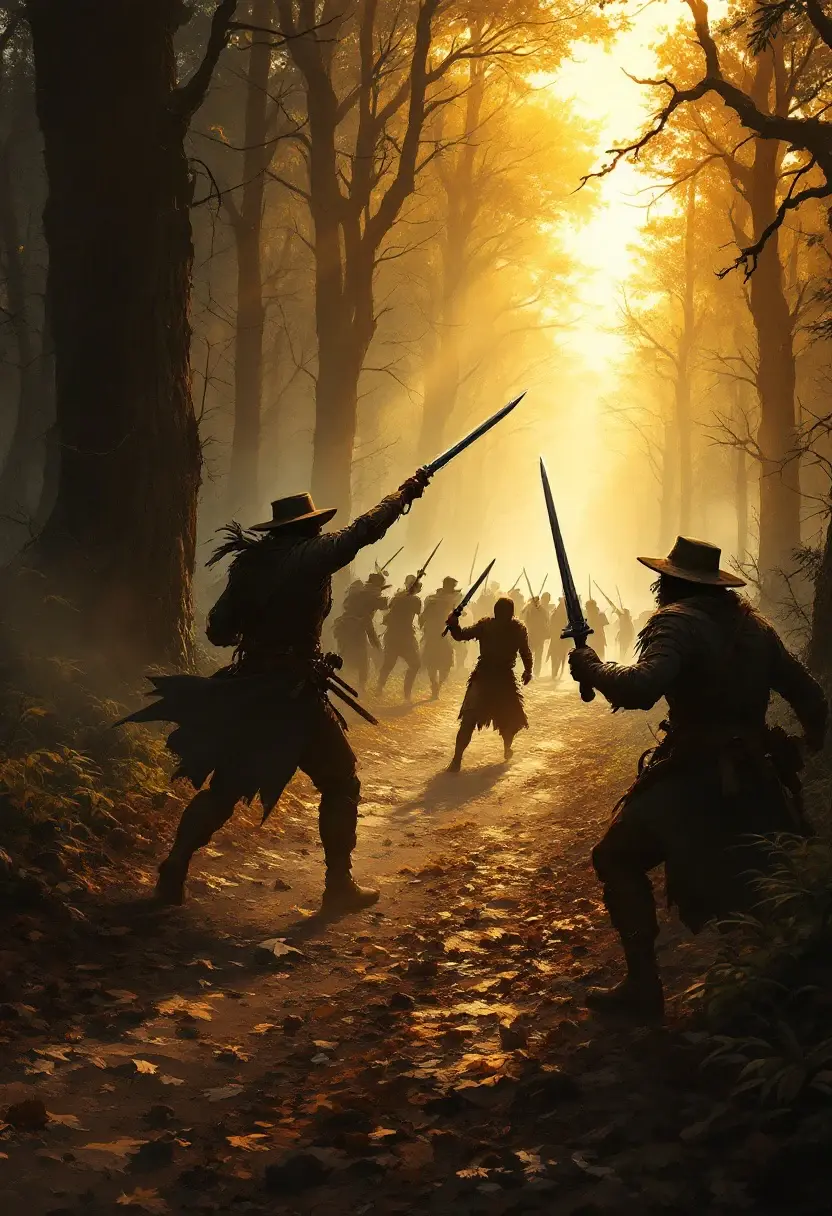
Ambush on the Road
Bandits with a plan and a hostage — a level 1-3 fight with a choice in it.
Use this setting →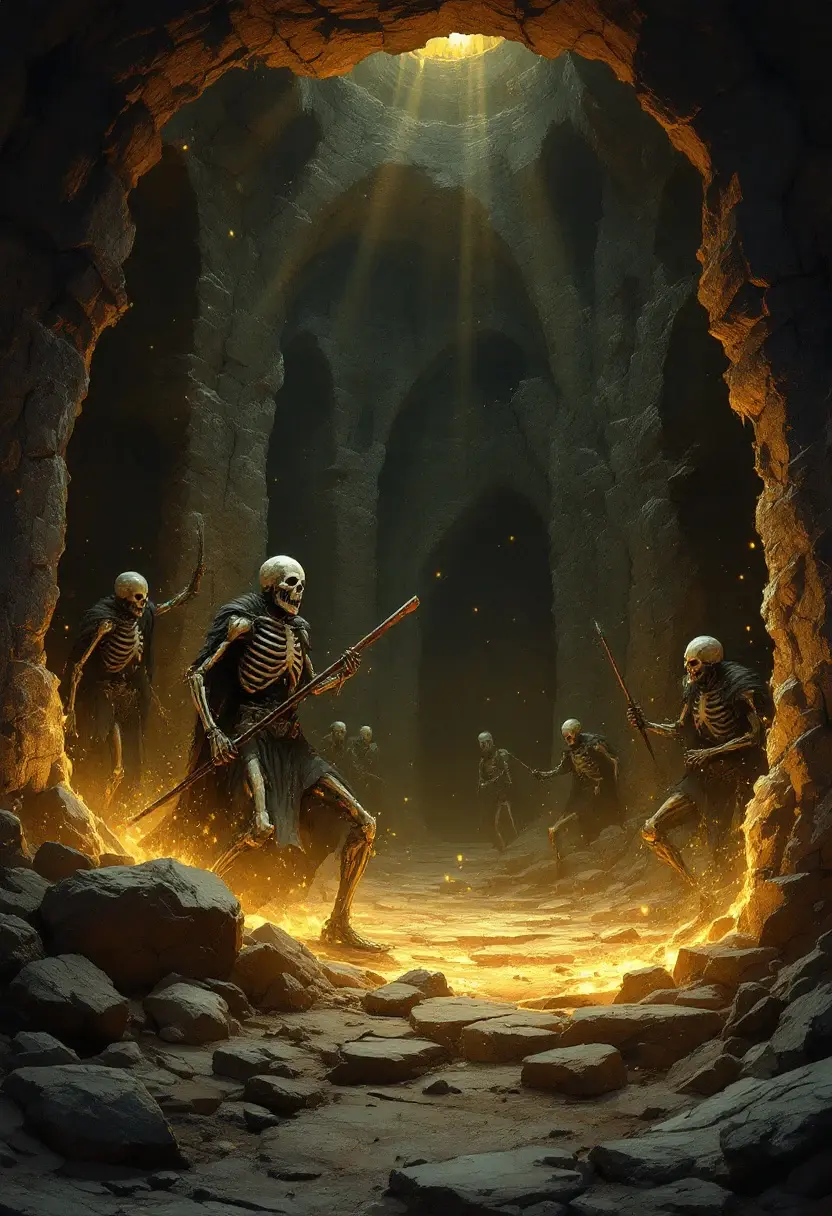
The Crypt Awakes
Skeletons in the dark with a bludgeoning weakness the party can exploit.
Use this setting →
Beast at the Ford
A lone owlbear defending a nest — the classic level 3 wake-up call.
Use this setting →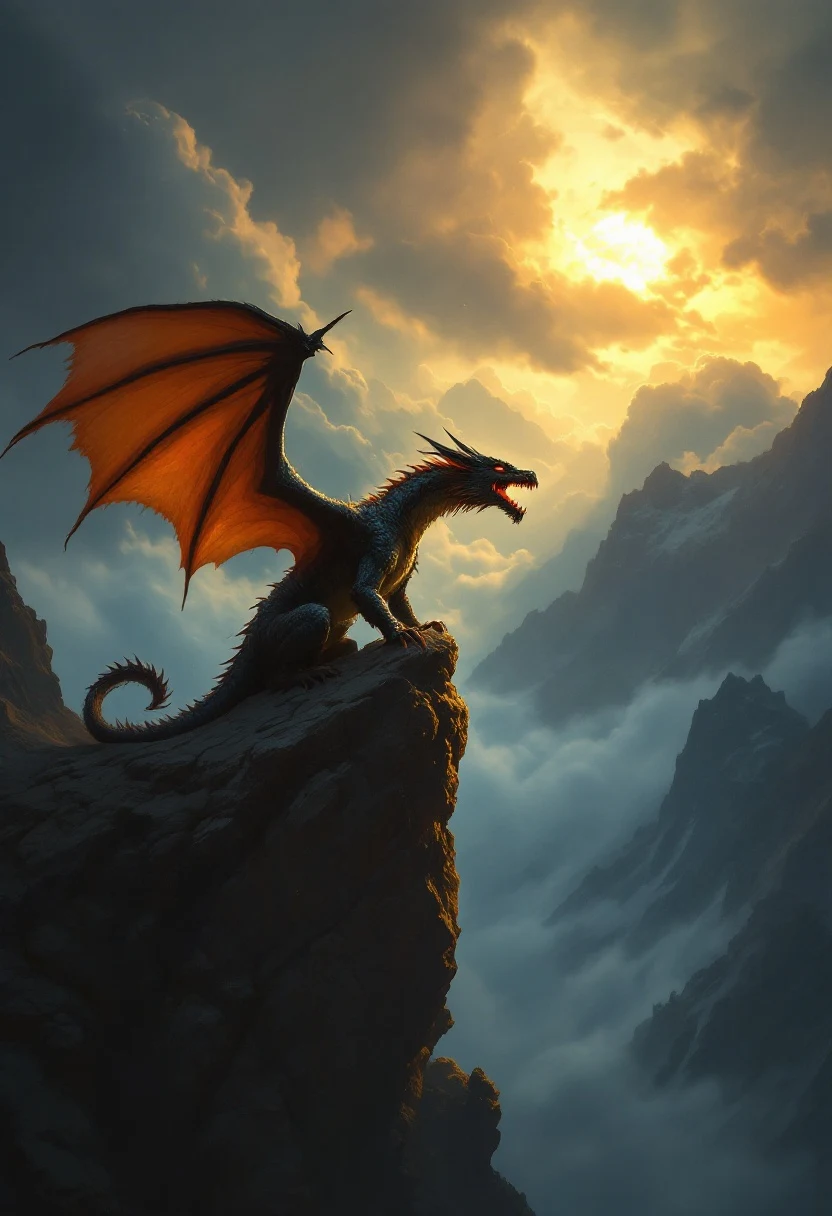
The Mountain’s Wrath
A young dragon and its schemes — a level 8+ set-piece with room to run.
Use this setting →The Forge
Generate an Encounter
Set what you want, press the button, and it arrives pre-filled — your first is free.
The Forge
Generate an Encounter
Choose your options — the encounter builds around them.
Any · pre-filled for you
Three-minute start
How It Works
Counsel
Encounter Generator, Answered
What are the best alternative mechanics to replace or improve core D&D 5e rules?
Players often suggest targeted house rules—like replacing Wisdom saves for fear with Charisma or custom checks—and reworking 'save-or-suck' effects to add partial success states, making combat more dynamic without overhauling the whole system.
How do you design a D&D campaign around a specific theme like politics, city life, or cozy farming?
Successful themed campaigns start with aligning the central theme to player interests—whether political intrigue, urban exploration, or slice-of-life crafting—and building session structures and NPCs that reinforce that theme rather than defaulting to dungeon crawls.
How do you run D&D for complete beginners as a new or inexperienced DM?
Most experienced DMs recommend starting with a short, self-contained introductory module, keeping rules explanations minimal at first, and focusing on making new players feel comfortable roleplaying before introducing complex mechanics.
What are good homebrew subsystems for sanity, monster tracking, or giant boss fights in TTRPGs?
Designers frequently recommend purpose-built subsystems—like sanity meters for horror or climbing mechanics for colossal monsters—rather than stretching HP-based combat, often borrowing from indie RPGs that already solve these problems elegantly.
How do you create satisfying conclusions and meaningful consequences in a long-running TTRPG campaign?
DMs suggest threading plotlines together through shared NPC goals and player-driven choices early on, then using callback moments and escalating stakes to deliver closure that feels earned rather than abrupt.
How do you balance homebrew magic items and weapons without breaking D&D 5e gameplay?
The community generally advises playtesting custom items at the intended tier of play, comparing effects to existing items of similar rarity, and avoiding flat stat bonuses that stack with existing features in unintended ways.
What makes a memorable villain or antagonist group for a D&D campaign at any level?
Effective villains tend to have clear motivations that intersect with PC backstories, a visible presence before the final confrontation, and minion groups or lieutenants that telegraph the threat before the big reveal.
How do you handle a player abusing overpowered abilities or disrupting encounters in D&D?
Most DMs recommend addressing disruptive play first at the table through a direct conversation, then using in-fiction consequences—such as NPC reactions or faction responses—rather than arbitrarily nerfing abilities mid-campaign.
How do you design creative specific encounter types like time loops, kobold lairs, or mind flayer colonies in D&D?
Themed encounters work best when the environment, enemy behavior, and win conditions all reinforce the same concept—a time loop encounter, for example, should change enemy information and player options each iteration rather than just resetting initiative.
How can DMs use specific D&D features like anti-magic fields or wizard towers as creative adventure setpieces?
The most engaging setpieces repurpose familiar mechanics in unexpected contexts—anti-magic zones become puzzle rooms rather than just hazards, and iconic locations like a wizard's tower gain depth when their history and quirks drive the adventure's structure.
Build the Rest of the World
One tool is never enough. Chain them — the party never runs out of places to go.
Generate an Encounter