
D&D Worldbuilding · Places
Settlement GeneratorGenerate a D&D village, town or city — with people, problems and places to go.
A living location, not a dot on the map. Population, government, economy, landmarks and the tension the party can pull on.
Made here
Start From a Ready Settlement
Take any one as a starting point — the settings travel with it into the generator.
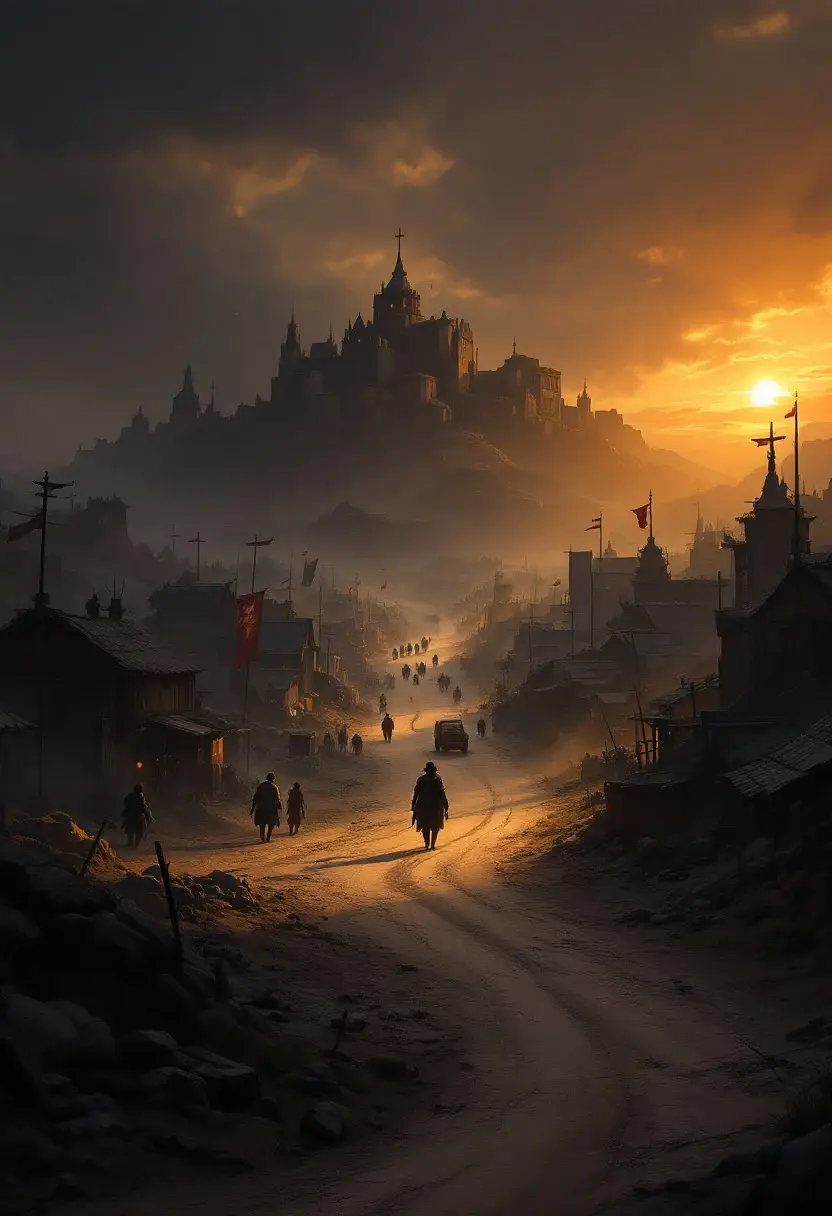
Greywater Crossing
A frontier trade town where three roads and three factions meet.
Use this setting →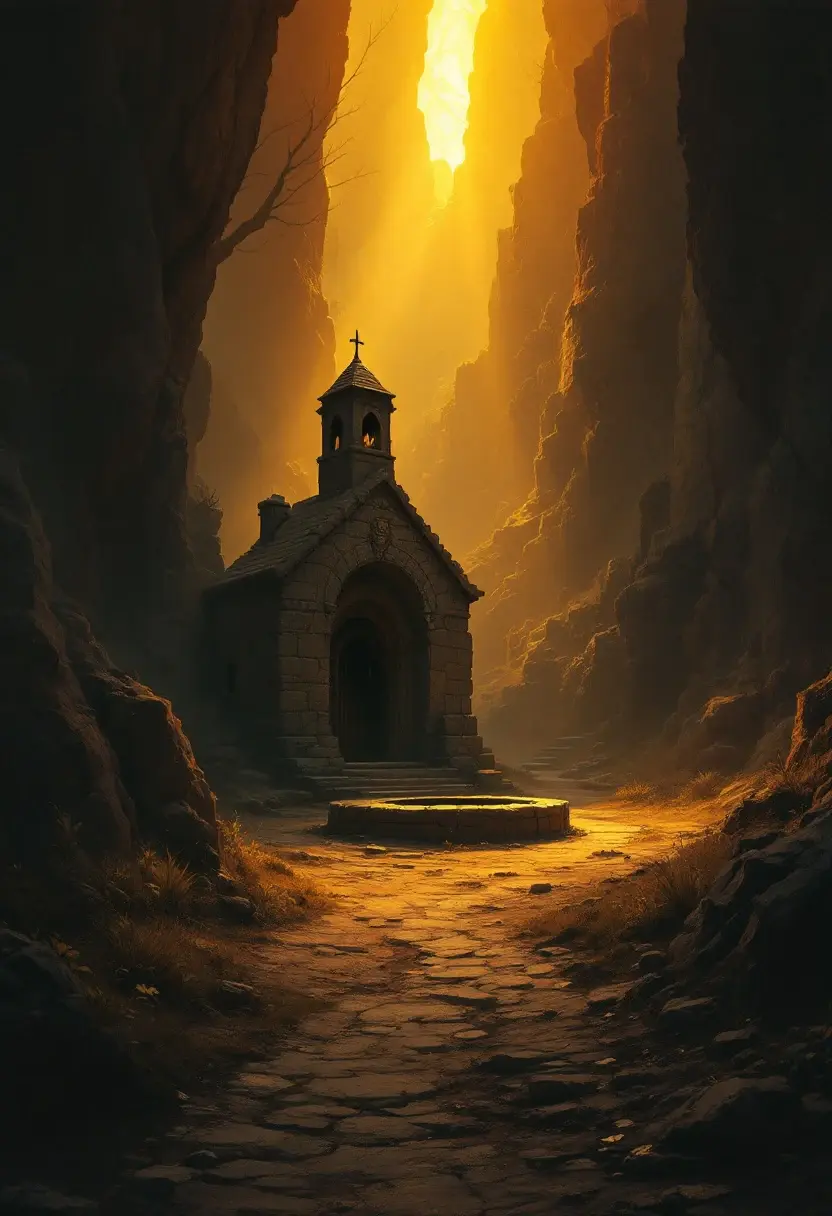
Saint Aldous
A holy village built around a spring that no longer heals.
Use this setting →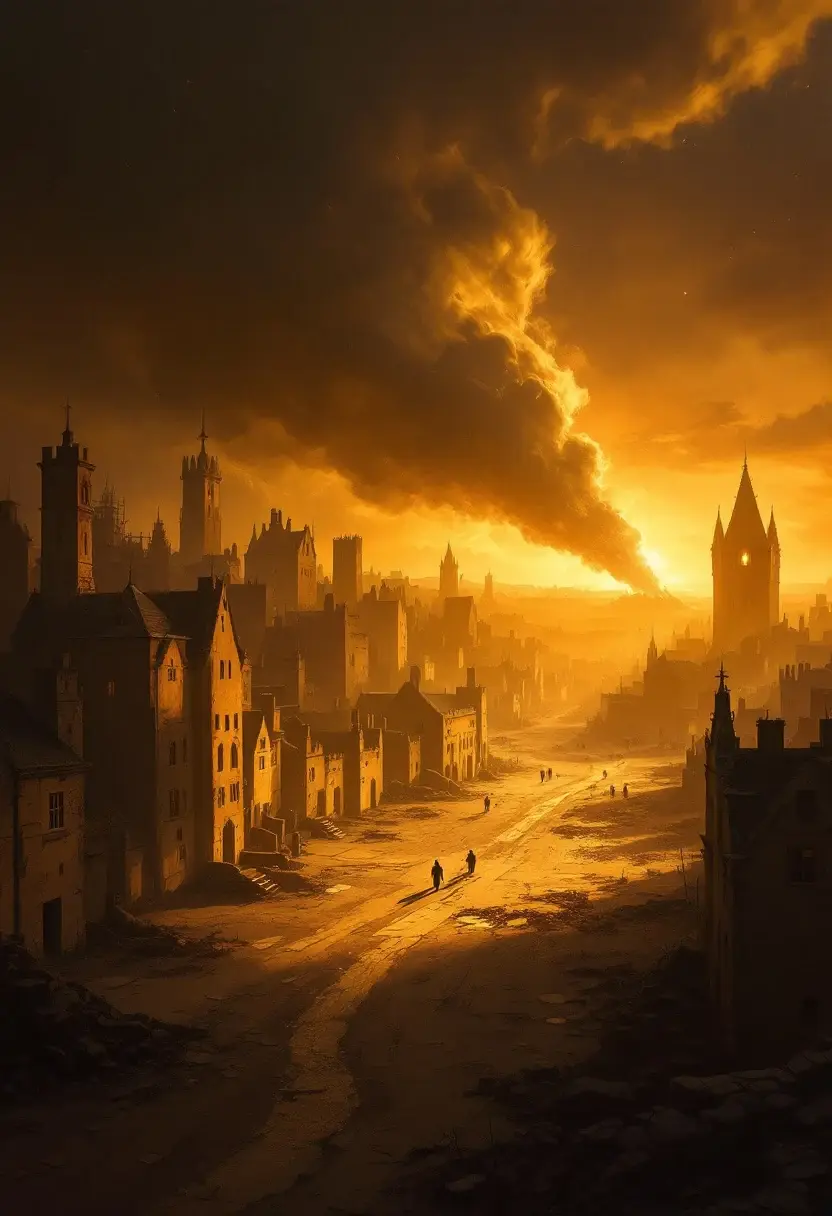
Ashford
A town under threat, half-emptied, walls half-built, mayor half-honest.
Use this setting →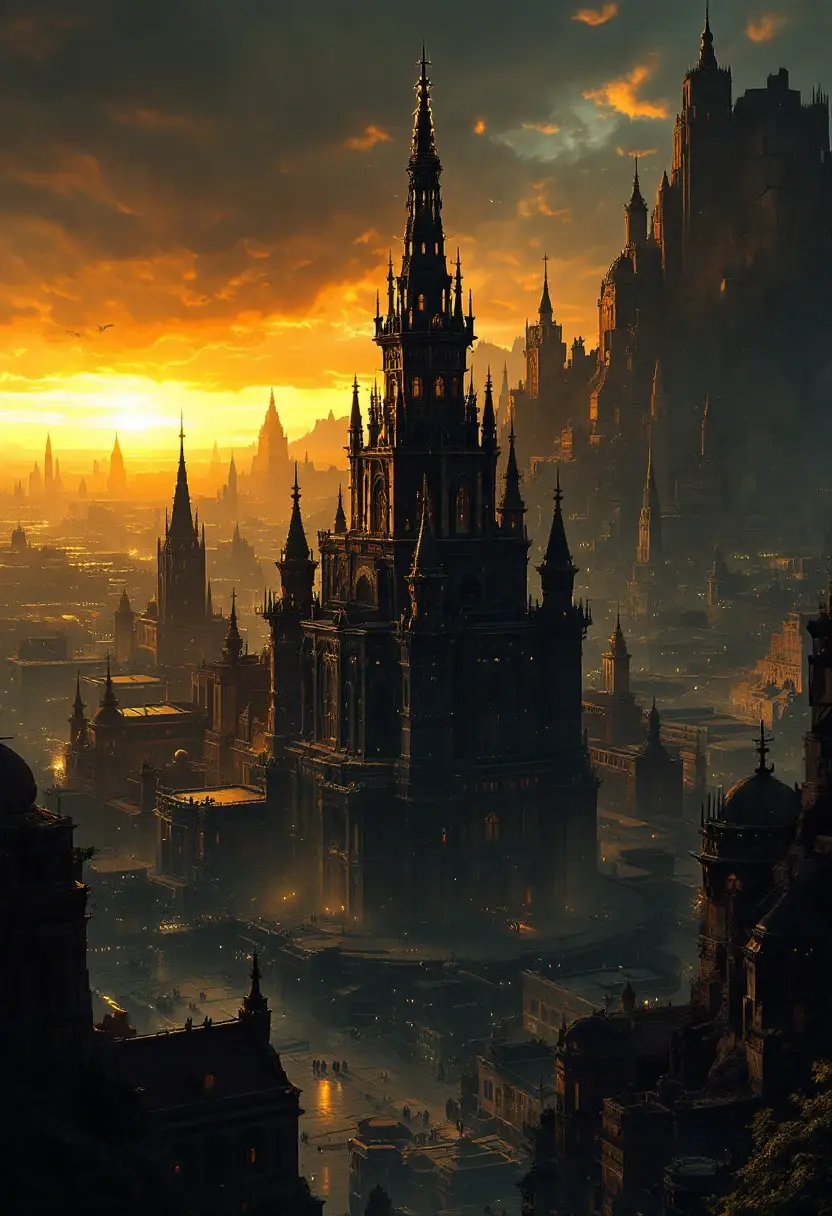
Veil City
A gleaming city rotten at the council table — every favour has a price.
Use this setting →The Forge
Generate a Settlement
Set what you want, press the button, and it arrives pre-filled — your first is free.
The Forge
Generate a Settlement
Choose your options — the settlement builds around them.
Any · pre-filled for you
Three-minute start
How It Works
Counsel
Settlement Generator, Answered
How do you adapt real-world locations and cultures into TTRPG campaign settings?
GMs often research historical, cultural, and geographic details of real places—like Canada or American roadside locations—then layer genre elements (post-apocalyptic, urban fantasy, horror) on top to create gameable settings that feel grounded and authentic.
Where are specific locations placed in official TTRPG settings like Greyhawk or Ravnica?
Players and GMs frequently look up canonical placements, supply chains, and narrative importance of specific locations within published modules and official campaign settings like Greyhawk, Pathfinder, and Ravnica.
How does daily life, survival, and community work in the 1313 underworld setting?
Questions about the 1313 setting focus on its internal logic—population size, freedom of movement, food and water sourcing, and community development—suggesting players want a coherent and self-consistent underworld society to roleplay within.
What makes specific location types like churches, mansions, or libraries effective TTRPG horror settings?
GMs discuss how particular location archetypes—libraries, churches, movie theaters, living mansions—carry inherent atmospheric and narrative potential that can be mined for horror encounters, kaiju lore, or fanciful worldbuilding details.
How do you flesh out a fictional small town or slum with realistic history, population, and economy?
GMs building fictional locales like Froxley or Harvey, NY ask for help with population figures, local industries, historical landmarks, and how lower-income inhabitants realistically earn a living to add depth and verisimilitude to their settings.
What is the city of ThoughtBorne and who are its inhabitants?
ThoughtBorne appears to be a unique campaign setting city with distinctive inhabitants, though limited community discussion exists beyond the initial inquiry about its core lore and population.
Build the Rest of the World
One tool is never enough. Chain them — the party never runs out of places to go.
Generate a Settlement