D&D Worldbuilding · Characters
NPC GeneratorCreate a memorable D&D NPC — face, personality and secret — in seconds.
Every tavern keeper, cult leader and quest-giver your party talks to, ready before they ask a single question. Name, look, voice, motive and a hook you can play tonight.
Made here
Start From a Ready NPC
Take any one as a starting point — the settings travel with it into the generator.
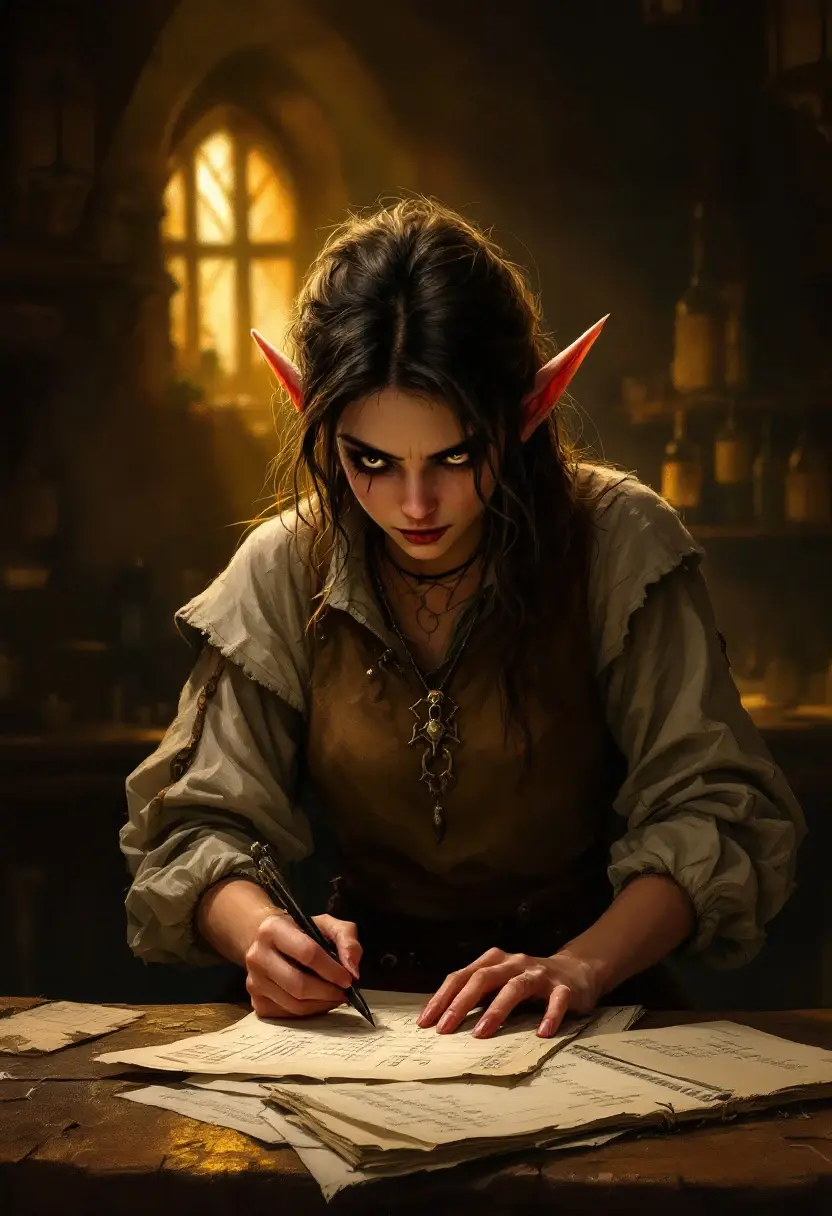
Marta the Tapster
A one-eyed halfling who remembers every debt and forgives none.
Use this setting →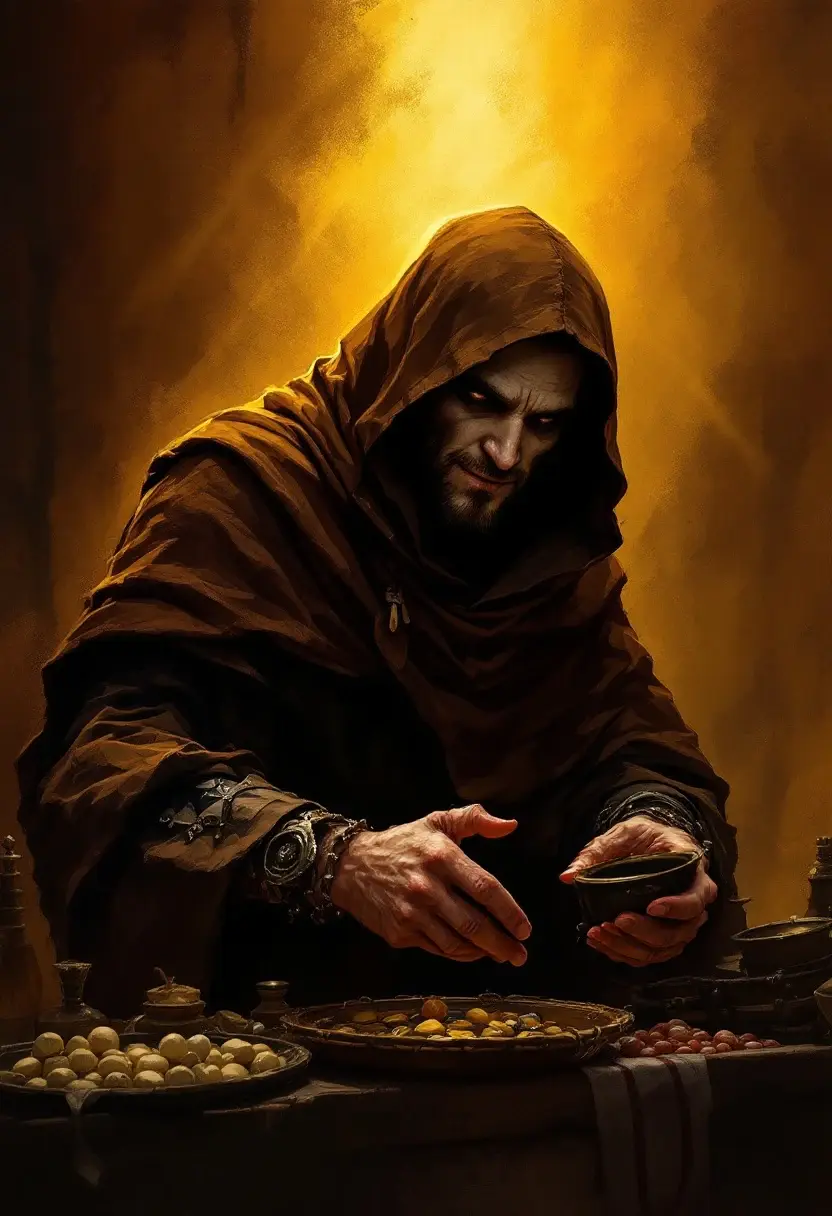
The Whispering Trader
Sells what you need before you know you need it — for a price paid later.
Use this setting →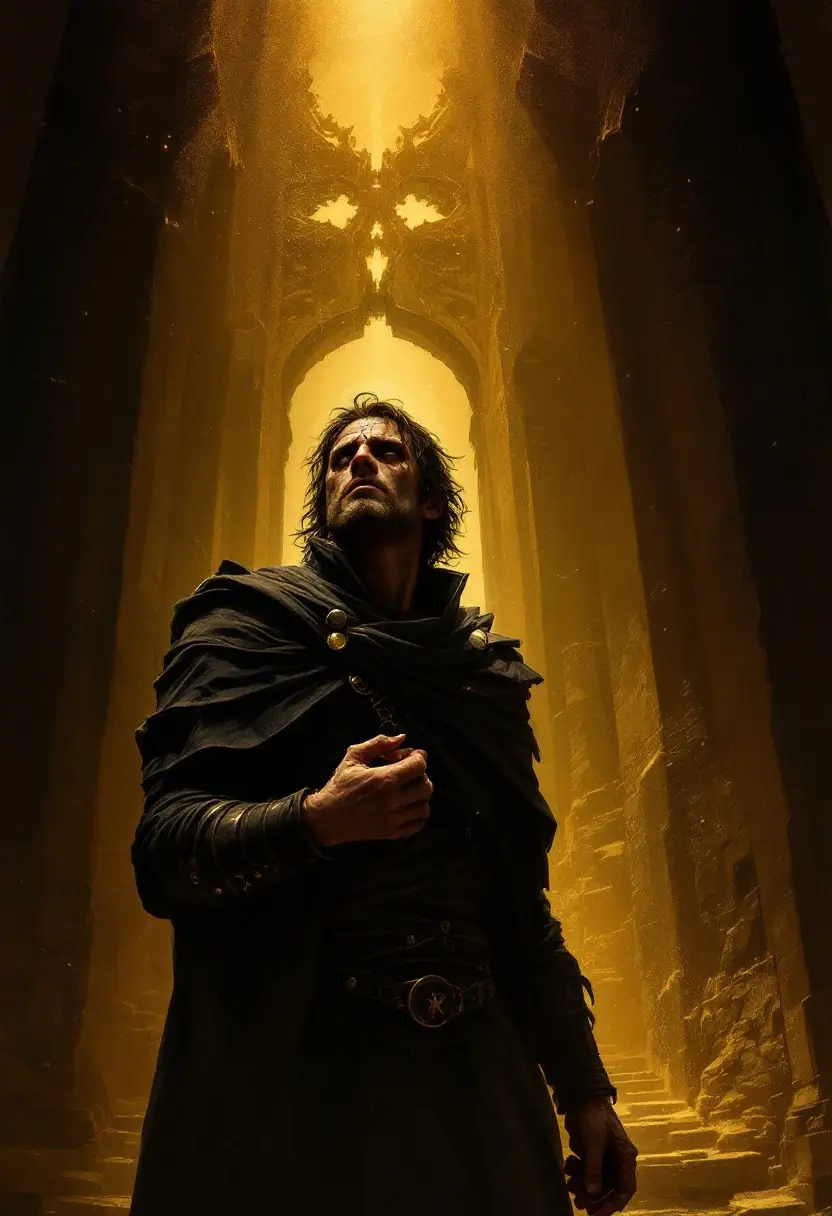
Ser Halveth
A guard captain one bad week from selling the gate keys.
Use this setting →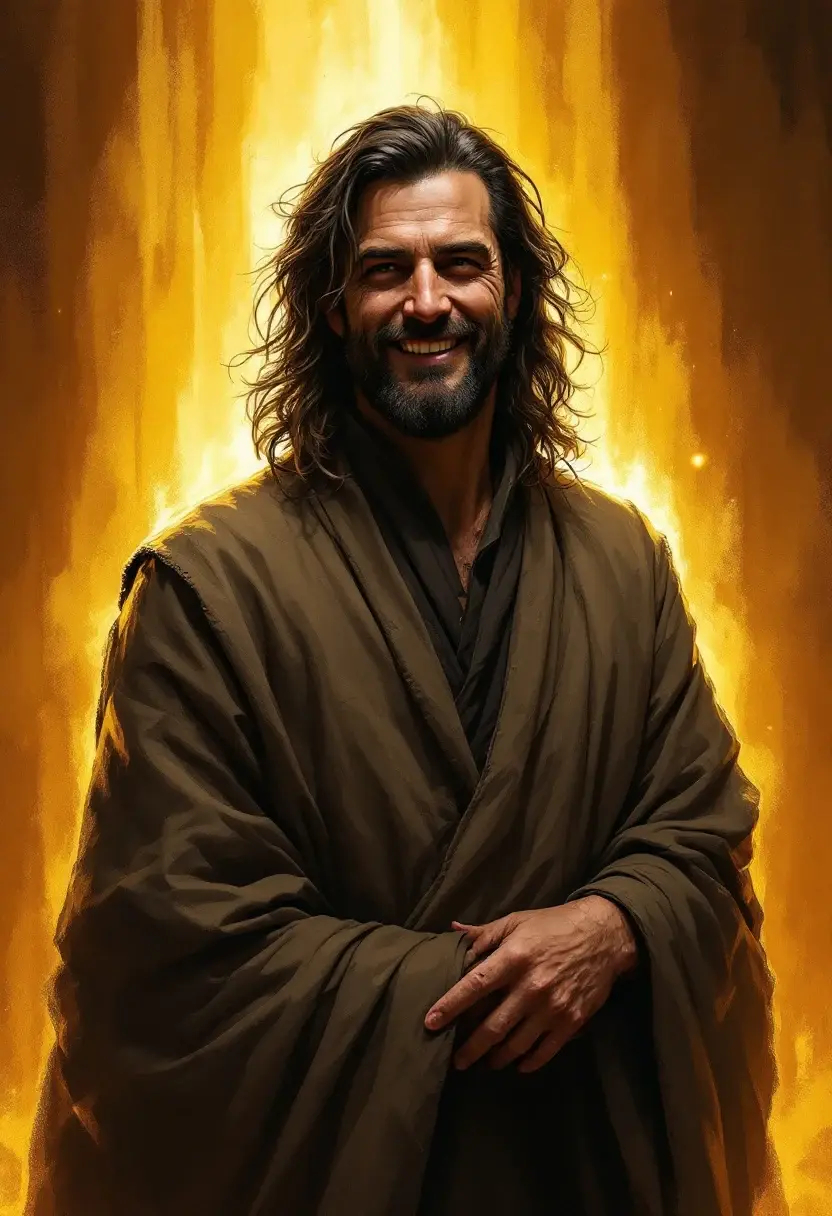
Brother Vane
Gentle, generous, and quietly recruiting for something with teeth.
Use this setting →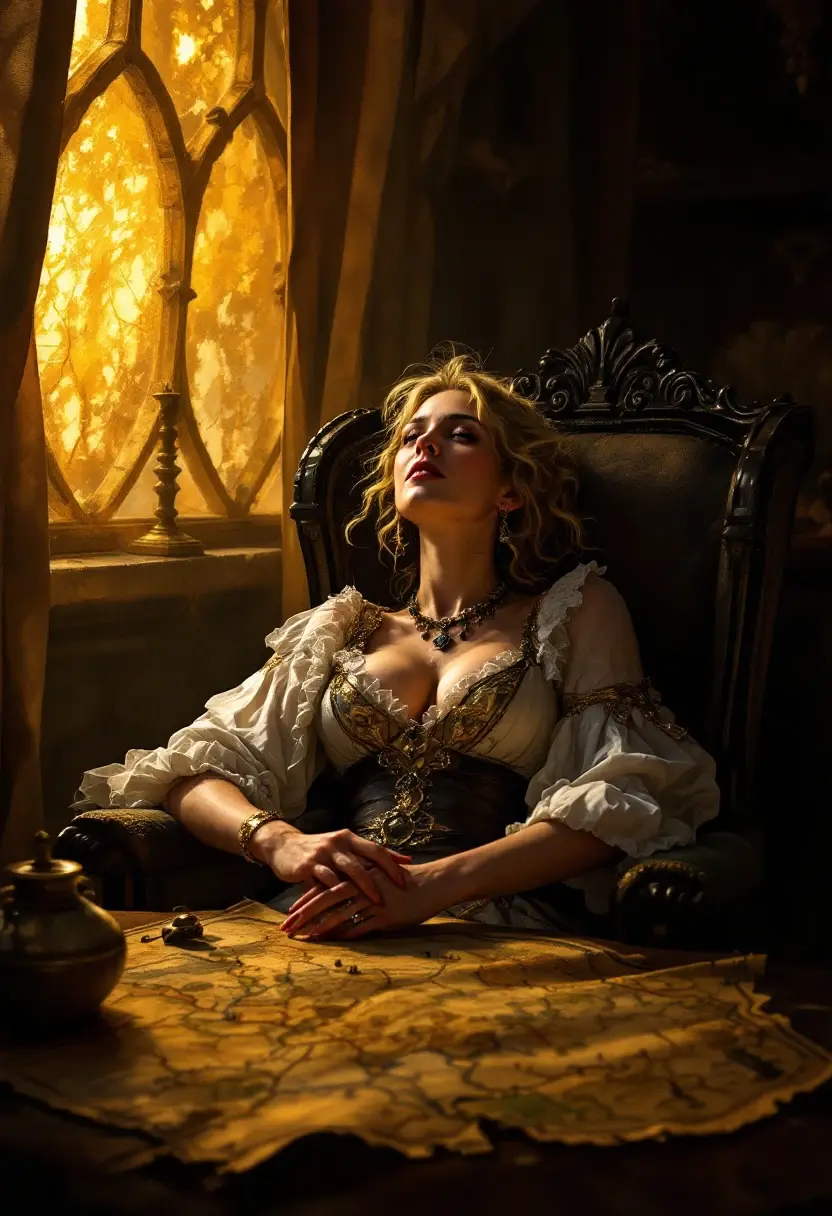
Lady Coreth
A bored noble who funds adventurers for the gossip, not the glory.
Use this setting →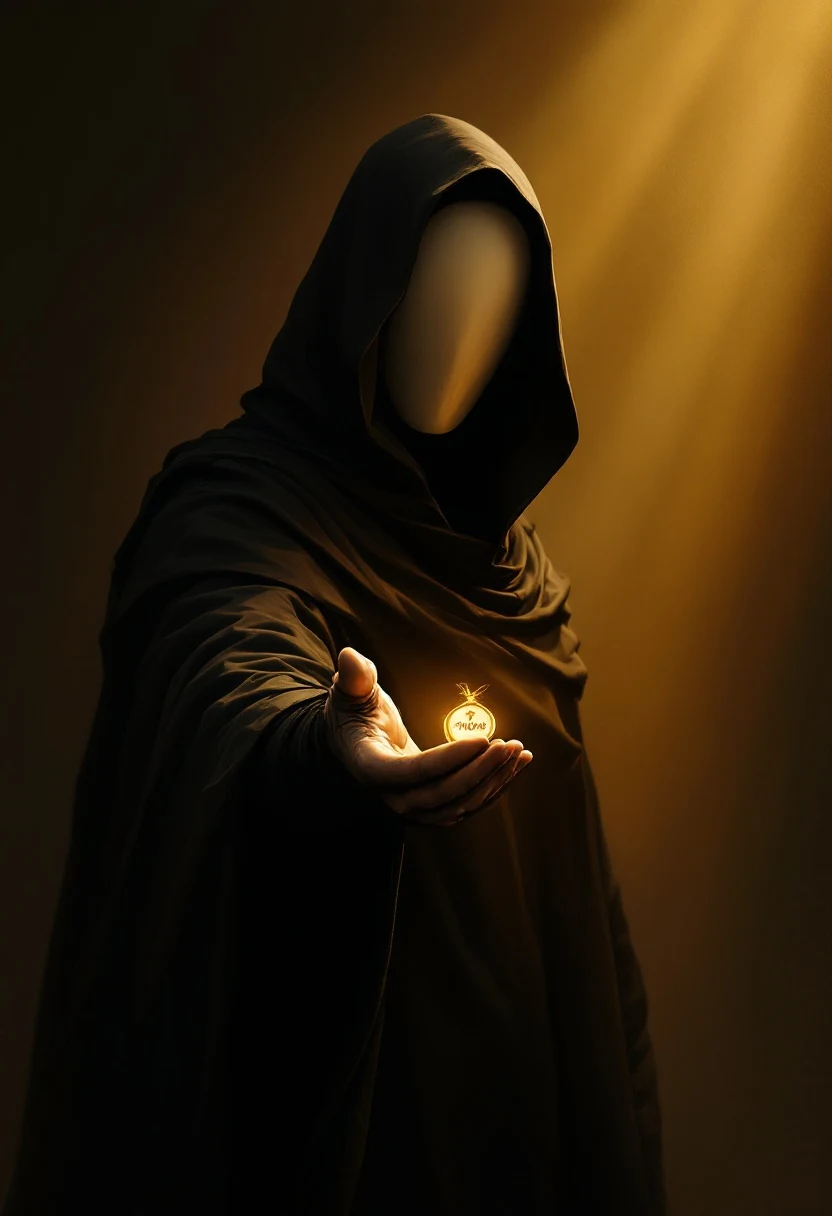
The Faceless Broker
Knows everyone, is no one, and never forgets a favour owed.
Use this setting →The Forge
Generate an NPC
Set what you want, press the button, and it arrives pre-filled — your first is free.
The Forge
Generate an NPC
Choose your options — the npc builds around them.
Any · pre-filled for you
Three-minute start
How It Works
Counsel
NPC Generator, Answered
How do you create and find art for a custom D&D character concept?
Players typically use character questionnaires to flesh out backstory and personality, then seek commissioned art through platforms like ArtStation, Reddit's r/HireAnArtist, or Fiverr to visually realize their character.
What are the best species and class combinations in D&D 5e and 5.5e for optimized builds?
Players debate the differences between 5e and 5.5e character creation rules, comparing species traits and class synergies to find optimal combinations, such as Plasmoid pairings or Circle of Spores druid species choices.
How do you homebrew and balance a Large-sized playable race in D&D 5e?
Homebrewers commonly work around 5e's Medium-size default by giving Large races limited mechanical benefits while offsetting them with environmental restrictions, equipment costs, and space limitations to maintain balance.
What are good dark fantasy and gothic character concepts and new species for D&D 5e?
Players explore gothic settings like Ravenloft for character inspiration, including undead elves, Eladrin bards, and new species introduced in supplements like Ravenloft: The Horrors Within for D&D 5.5e.
How do you roleplay a morally complex or fallen paladin character in D&D 5e?
Players and DMs discuss portraying characters like fallen celestials, cursed priests, and aasimar paladins with internal moral conflict, drawing on specific NPC examples like Curse of Strahd's Abbot for inspiration.
How do you design NPCs and encounters that present powerful characters as potential allies rather than enemies?
DMs suggest telegraphing NPC motivations through behavior and dialogue, using encounter design and faction mechanics to signal alliance potential, and carefully balancing patron species or powerful monsters so they feel like mentors rather than threats.
How do you play a witch or non-caster herbalist character in D&D 5e using existing classes?
Players often reflavor classes like Bladesinger Wizard or Druid to represent witches or alchemists, and homebrew backgrounds with familiar summoning are popular for low-magic or folk-magic themed campaigns.
How do you creatively incorporate magical tattoos, scars, or curse effects into a D&D character's physical appearance?
Players use physical markings like tattoos, scars, or magical discolorations as visual storytelling tools that tie directly to backstory events such as magical accidents, curses, or oaths, making character history visible during play.
How do you design well-structured NPC stat blocks and key elements for a TTRPG module?
Module designers debate whether NPCs should use PC rules or monster stat block conventions, with most recommending simplified monster-style blocks for clarity, while ensuring stat and skill distributions feel narratively appropriate.
How does character creation and feat selection work across different TTRPG systems like Blades in the Dark, VtM, and D&D?
TTRPG players compare character creation mechanics across systems, noting how games like Blades in the Dark use Tags, Vampire the Masquerade uses Backgrounds and Bonds, and D&D 5.5e introduces new feats and epic boons via Unearthed Arcana.
Build the Rest of the World
One tool is never enough. Chain them — the party never runs out of places to go.
Generate an NPC